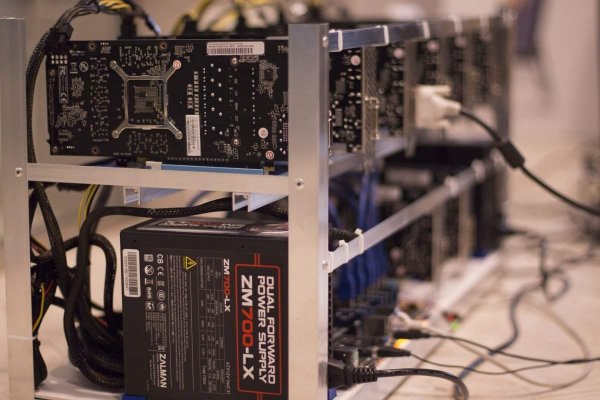
Bitcoin's surge in popularity has come with a hidden environmental price tag, as a November report revealed that the cryptocurrency's network consumes more electricity than 159 individual nations. The findings have intensified a debate among technologists and environmentalists about whether digital currencies can ever be truly sustainable.
Alex de Vries, the report's author and a researcher at the Dutch central bank, told Futurism that the scale of energy use is a "massive problem." He noted that the network burns through "thousands of times more energy" than traditional transaction systems, even though those systems already function effectively. "I don't see how bitcoin justifies its energy use at the moment," he said, pointing to widespread public trust in existing financial infrastructure.
The environmental concern is compounded by the source of the electricity. Much of the mining occurs in China, where coal remains a cheap and abundant fuel despite government efforts to transition toward renewables. This reliance on fossil fuels means that even if mining operations were powered entirely by clean energy, the broader carbon footprint might not shrink as much as expected.
Nadine Damblon, co-founder of HydroMiner, a startup that uses hydroelectric power for mining, downplayed the alarm. She compared the criticism to historical fears that horse manure would bury city streets or that Google's search engine would consume the world's energy. Damblon argued that as hardware evolves, efficiency gains will naturally reduce electricity demand.
De Vries, however, disputes that optimism. He pointed to past trends: mining equipment has become hundreds of times more efficient, yet total energy consumption has risen. The reason, he explained, is that miners use better hardware to increase their computing power—not to cut back on electricity. "The total hash output would increase rather than the output staying the same and the energy consumption decreasing," he said, noting that miners can still afford the same electricity bill.
The Proof-of-Work Problem
At the heart of the issue is Bitcoin's verification mechanism, known as proof of work. This system requires thousands of distributed nodes to check each transaction, a process that is inherently energy-intensive. De Vries argues that blockchain technology is "not efficient by design" because it duplicates verification across the network.
Alternatives exist, such as proof of stake, which gives more mining power to those who hold more coins, and proof of burn, where users destroy some coins to gain mining rights. De Vries estimates that switching away from proof of work could make Bitcoin 99.9 percent more efficient. "Right now, there isn't any use case that justifies the energy use," he emphasized.
Implementing such a change would require a fork of the Bitcoin network, a technical maneuver that could be done without destabilizing the currency. But whether the community will embrace such a shift remains uncertain.
Even with a complete transition to renewable energy, de Vries warns that the sheer scale of consumption would still leave a significant carbon footprint. Solar panels, for instance, have lifecycle emissions from manufacturing and disposal, and Bitcoin's demand would necessitate far more panels than otherwise needed. "We're still creating a carbon footprint that's bigger than it has to be," he said.
The debate underscores a broader tension: as digital assets gain mainstream traction, their environmental costs are becoming harder to ignore. Whether the industry can innovate its way to sustainability—or whether regulators and users will force a change—remains an open question.