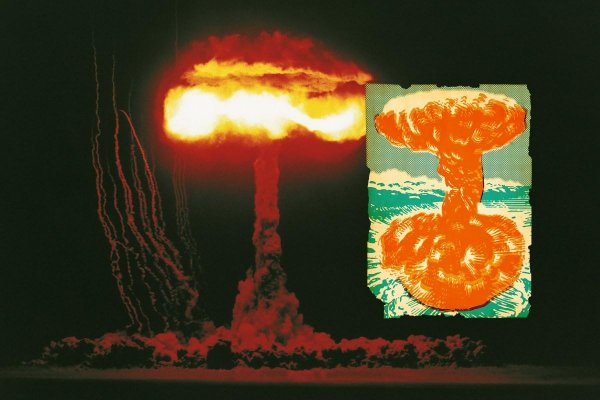
The crypto-based prediction platform Polymarket has quietly removed a market that allowed users to wager on whether a nuclear weapon would be detonated before the end of next year. The bet, which had been active since November, was archived on Wednesday morning, following a sharp increase in trading activity and a wave of criticism on social media.
The market first drew widespread attention on Tuesday when Polymarket's official X account highlighted it, noting that the platform's odds implied a 22% chance of a nuclear detonation this year. That post was later deleted, and the market itself was taken down. Polymarket has not issued a public statement explaining the removal.
The timing of the surge is notable. According to data from The Block, as cited by The Wall Street Journal, the market had only attracted $10,000 in bets on Friday. By Tuesday, daily trading volume had jumped to nearly $244,000, pushing the total amount wagered past $830,000. The spike coincided with the recent U.S. and Israeli strikes in Iran, which have heightened geopolitical tensions.
This is not the first time Polymarket has hosted markets tied to conflict and violence. The platform has allowed users to profit from predicting U.S. airstrikes on Iran, with some bettors earning millions. Another user recently gained over $553,000 on a wager that Ayatollah Ali Khamenei would be removed from power, following the Iranian leader's assassination in joint U.S.-Israeli strikes on Friday.
The removal of the nuclear detonation market raises questions about the platform's consistency in policing its offerings. While Polymarket has historically taken a permissive approach to war-related bets, the decision to archive this particular market—after it gained significant traction—suggests a possible shift in policy, though the company has not confirmed any change.
Broader Concerns Over Insider Trading
The incident also adds to ongoing concerns about the potential for insider trading on prediction markets. In January, an anonymous user won more than $400,000 by betting that Venezuela's President Nicolás Maduro would be ousted, just hours before U.S. troops invaded the country and abducted him. The following month, Israeli authorities arrested several citizens and IDF reservists for allegedly using classified information to place bets on Polymarket regarding airstrikes on Iran during the Twelve-Day War in June.
Polymarket's international version operates outside U.S. trading regulations, which prohibit wagers on war, terrorism, and assassinations. U.S. users often access the site via VPN, though the Trump administration recently permitted Polymarket to establish a U.S. entity, a move some critics interpret as a signal of regulatory leniency. The administration also dropped several investigations into the platform, which counts Donald Trump Jr. as an advisory board member.
The removal of the nuclear bet may not fully address the ethical and legal questions surrounding prediction markets, but it marks a rare instance of the platform stepping back from a controversial offering. Whether this signals a broader change in how Polymarket handles such markets remains to be seen.