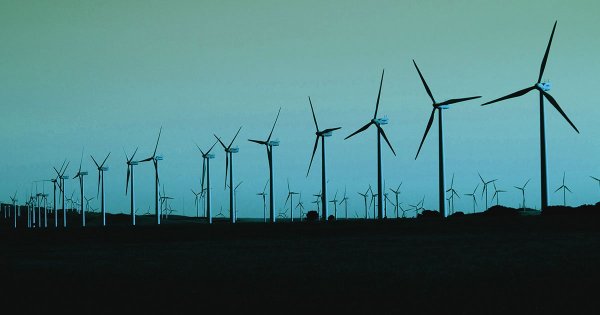
The French government has unveiled a long-term energy strategy that would pivot the nation toward solar and wind power, aiming to supply 95 percent of its electricity from renewable sources by 2060. According to a report released Monday by the French environmental agency, this shift would cost approximately $1.45 trillion (1.28 trillion euros) over the next 42 years—yet it would still be $44.5 billion (39 billion euros) cheaper than sticking with the current nuclear-centric infrastructure.
The plan hinges on scrapping proposals to build 15 new nuclear reactors and instead gradually decommissioning aging plants as renewable capacity expands. The report outlines a phased approach, detailing how solar and wind installations could be scaled up to replace nuclear output without disrupting supply.
While the upfront investment is substantial, the agency's analysis suggests that modernizing the existing nuclear fleet would be even more expensive. Maintaining the status quo would require replacing old reactors with new ones, a costlier path over the same period.
Why 2060, Not 2030?
Observers may note that 2060 falls well beyond the 2030 target often cited as a critical window for carbon neutrality, a benchmark highlighted in the U.N.'s October climate report. Under the French plan, renewables would account for about 40 percent of the energy mix by 2030—a modest share compared to the ultimate goal.
That slower pace is not necessarily a setback, as nuclear power generates electricity with minimal greenhouse gas emissions compared to coal or natural gas. The financial incentive to transition, however, removes a key barrier to modernizing the energy grid.
The report's findings add to a growing body of evidence that renewable energy can be economically competitive with traditional sources. For France, a country heavily reliant on nuclear power, the choice is no longer just about environmental impact but also about fiscal prudence.