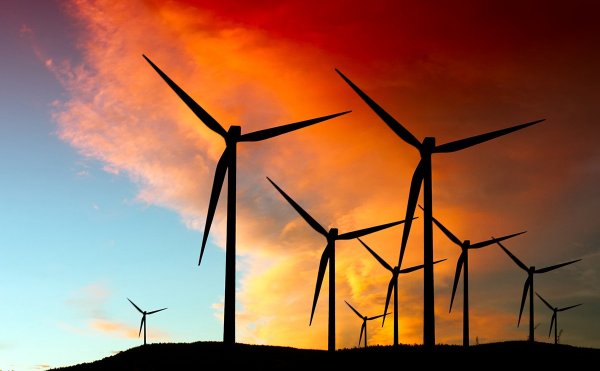
Germany's electricity grid reached a new milestone on Sunday, May 8, when renewables supplied 95% of the country's power at 11 a.m. local time. The previous record had hovered between 70% and 80% in the past year, according to data from the country's energy operators.
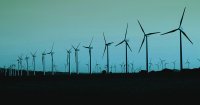
The surge was driven by ideal weather conditions: bright sunshine and strong winds combined to push solar and wind output to the forefront. Solar photovoltaic systems delivered 26.11 gigawatts (GW) at that hour, while wind turbines contributed 20.83 GW. Biomass plants added 5.14 GW, and hydropower provided 2.75 GW, bringing the total renewable share to 95%.
Germany's total renewable capacity stands at 57.8 GW, a figure that reflects the country's heavy investment in solar and wind infrastructure. Yet the record also underscores a fundamental challenge: renewable generation is inherently variable, and output can drop sharply when weather conditions are less favorable. That variability explains why the average renewable share is often lower, as seen in the 70–80% range recorded previously.
Energiewende: A Policy Rooted in Public Opposition to Nuclear Power
The push toward renewables is part of Energiewende, Germany's long-term strategy to phase out nuclear energy and reduce carbon emissions. The movement emerged from a conservation-minded society that has consistently opposed nuclear power, and it has gained momentum over the years.
According to the German government's official website, the policy aims to combat climate change, cut energy imports, foster technological innovation, and support the green economy. It also seeks to eliminate the risks associated with nuclear power, enhance energy security, and strengthen local economies while promoting social justice. The government reports that the transition has already led to falling energy prices and a significant increase in renewable production, while also improving energy efficiency.
National Geographic has described Germany as pioneering “an energy revolution that scientists say all nations must one day complete if a climate disaster is to be averted.” The country's progress is being closely watched as a test case for large-scale renewable integration.
Global Parallels: Denmark and Hawaii Show Renewable Potential
Germany is not alone in pushing the boundaries of renewable energy. Denmark generated 140% of its electricity from wind power last year, a surplus that it can export to neighboring countries. In the United States, Hawaii's Kauai Island ran for four consecutive days on solar power alone, with intervals of 5 to 61 minutes where solar met 90% of the island's energy demand.
Hawaii has enacted a law mandating that its energy mix be 100% renewable by 2045, while California has set a target of 50% by 2030. These examples, along with Germany's record, illustrate a global shift toward cleaner energy systems, though each region faces unique challenges in balancing supply and demand.
The German record on May 8 serves as a reminder that renewables can meet a large share of electricity demand under favorable conditions. But it also highlights the need for storage, grid flexibility, and backup capacity to ensure reliability when the sun doesn't shine and the wind doesn't blow.