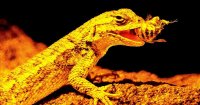
Imagine a future where a lost arm or leg simply grows back. While that remains science fiction, researchers in the field of regeneration biology are studying animals that can do just that, hoping to unlock the secrets for human medicine. The journey, however, is fraught with scientific hurdles, from the complexity of animal genomes to the painfully slow pace of regrowth.
Regeneration biology focuses on creatures like salamanders, lizards, and flatworms, which possess the remarkable ability to regrow damaged or lost body parts. Scientists are meticulously documenting the processes these animals use, aiming to translate that knowledge into therapies for humans. The core mechanism, while understood in broad strokes, involves a complex cascade of cellular events.
When a salamander loses a limb, the wound is quickly covered by a layer of skin cells, forming what is called the wound epidermis. This structure then sends chemical signals to the underlying tissue, prompting mature cells to revert to a more primitive, stem-cell-like state. This mass of undifferentiated cells is known as the blastema.
The blastema is the engine of regeneration. These immature cells begin to divide and differentiate, eventually forming the various tissues of the new limb—bone, muscle, skin, and nerves. Remarkably, the process is self-limiting; the blastema knows exactly when to stop, regenerating only the missing part, not an entire extra limb.
Why Salamanders Are Hard to Study
Despite this clear roadmap, translating this ability to humans is a monumental challenge. One major obstacle is the animals themselves. Salamanders, lizards, and flatworms are not ideal laboratory subjects; they are often difficult to maintain in a lab setting, and their biology presents unique challenges.
Perhaps the most significant hurdle is the complexity of the salamander genome. These creatures carry roughly ten times the amount of DNA as humans, making gene sequencing and editing incredibly difficult. It was only recently that scientists developed the tools to effectively edit and remove genes from their sequences, opening the door to more detailed genetic studies.
Another issue is the sheer time required for regeneration. A mere 4-millimeter limb can take up to 400 days to regrow in a salamander. Scaling that up to a human arm, which is far larger, would likely take years or even decades, making it an impractical approach for most patients.
Given these challenges, funding in regenerative medicine has largely flowed toward faster-paced fields like stem cell research. However, some researchers argue that these disciplines are not mutually exclusive but rather complementary.
Enrique Amaya, a developmental biologist at the University of Manchester, believes that stem cell researchers could benefit greatly from the insights gained in regeneration biology. "I'd argue that stem cell researchers need the kind of work that we do," Amaya said. "We're still damn ignorant about how cells behave, and how to control their behavior."
His point underscores a fundamental truth: to harness the power of regeneration, we must first understand the basic principles of cell behavior. Until then, the dream of human limb regrowth remains a distant, but not impossible, goal.