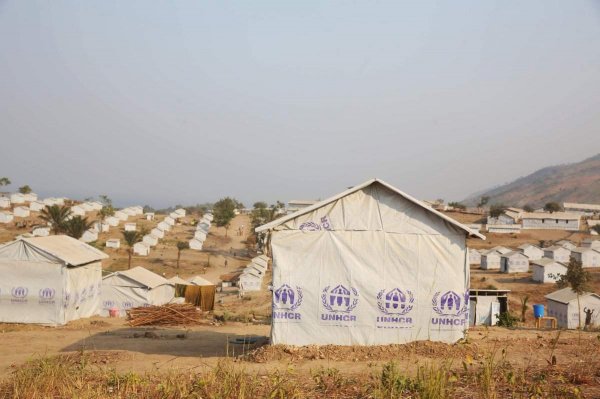
In 2016, an estimated 65.6 million people worldwide were displaced by conflict, persecution, and human rights violations—a rise of 300,000 from the previous year. As climate change intensifies, millions more are expected to be uprooted, prompting some nations, like New Zealand, to consider special visas for climate-displaced individuals. But once refugees arrive in a host country, a critical question remains: where should they settle to maximize their chances of success?
Traditionally, resettlement agencies place refugees based on available space, often overlooking individual circumstances that could influence employment and integration. A new study from Stanford University and ETH Zurich, published in the journal Science, offers a data-driven alternative: an algorithm that predicts which locations are most likely to yield favorable employment outcomes for each refugee.
The research team analyzed socioeconomic data from 2011 to 2016 for over 30,000 refugees aged 18 to 64 in the United States. They examined individual characteristics such as English fluency and education level, along with employment outcomes and settlement locations. Using this data, they simulated placements for refugees arriving in late 2016 and compared the algorithm's recommendations to actual outcomes. The result: employment rates would have been 41% higher had the algorithm been used.
Similar results emerged from a parallel analysis of asylum seekers in Switzerland between 1999 and 2013. When the algorithm was applied to those arriving at the end of 2013, the projected employment rate increased by 73%. These gains, the researchers note, could be achieved with minimal additional cost to governments or resettlement agencies.
Why the Algorithm Matters
Kirk Bansak, a lead author of the study, highlighted the practical appeal in a Stanford news release: “The employment gains that we’re projecting are quite substantial, and these are gains that could be achieved with almost no additional cost to the governments or resettlement agencies. By improving an existing process using existing data, our algorithm avoids many of the financial and administrative hurdles that can often impede other policy innovations.”
The algorithm is not intended to replace human decision-makers. Instead, the researchers envision a collaborative model where AI offers recommendations and resettlement officials retain final authority. Before deployment, the team plans to conduct multiple real-time tests through pilot programs with partner governments and agencies.
This is not the first instance of machine learning aiding predictive tasks. While algorithms are not always superior—one widely used commercial risk assessment tool performed no better than inexperienced volunteers at predicting recidivism—others have shown remarkable accuracy in fields like autism diagnosis, voting behavior, and heart attack risk. The Stanford team argues that the greatest potential lies in combining human judgment with machine efficiency.
As the global displacement crisis grows, tools like this could offer a pragmatic, low-cost intervention to help refugees rebuild their lives. The research underscores the value of using existing data to improve policy decisions, without overstating the role of technology.