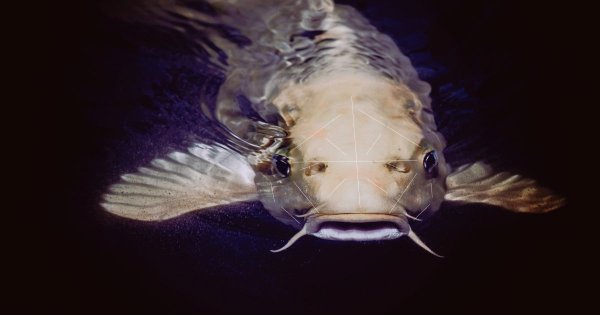
In the cold, clear waters off the Norwegian coast, a technological revolution is quietly taking shape. Cermaq Group AS, one of Europe's largest aquaculture companies, is developing a facial recognition system to monitor the health of millions of farmed Atlantic salmon. The technology, first reported by Bloomberg, aims to identify each fish individually by the unique patterns of spots around their eyes—a kind of underwater fingerprint.
The potential payoff is significant. By tracking each fish, Cermaq hopes to detect infectious diseases, such as sea lice, early and isolate affected individuals from the rest of the population. This could reduce the need for broad treatments and improve overall fish welfare.
Harald Takle, the company's head researcher, explained the vision to Bloomberg: "We can build a medical record for each individual fish. This will be like a revolution." The idea is to move from population-level management to a more personalized approach, where each fish's health status is known and monitored over time.
[IMG_1]
The concept of using facial recognition for animals is not entirely new. Earlier this year, researchers developed a system to identify individual primates for conservation purposes. Farmers have also been exploring similar technology to monitor the health of cattle. However, applying it to fish on such a massive scale—millions of individuals—presents unique challenges.
Fish, unlike humans, do not have to worry about privacy or government surveillance. But the technology raises other questions about the ethics of intensive farming and the increasing reliance on automation in agriculture. For now, Cermaq is focused on the practical benefits: healthier fish, more efficient operations, and potentially lower costs.
The move is part of a broader trend in aquaculture toward precision farming, where data and technology are used to optimize every aspect of production. As the global demand for seafood rises, such innovations may become essential to meet supply while minimizing environmental impact.
While the technology is still in development, the potential is clear. If successful, it could transform how fish are farmed, not just in Norway but worldwide. For now, the fish themselves remain blissfully unaware of the watchful eyes—both human and digital—that are monitoring their every move.